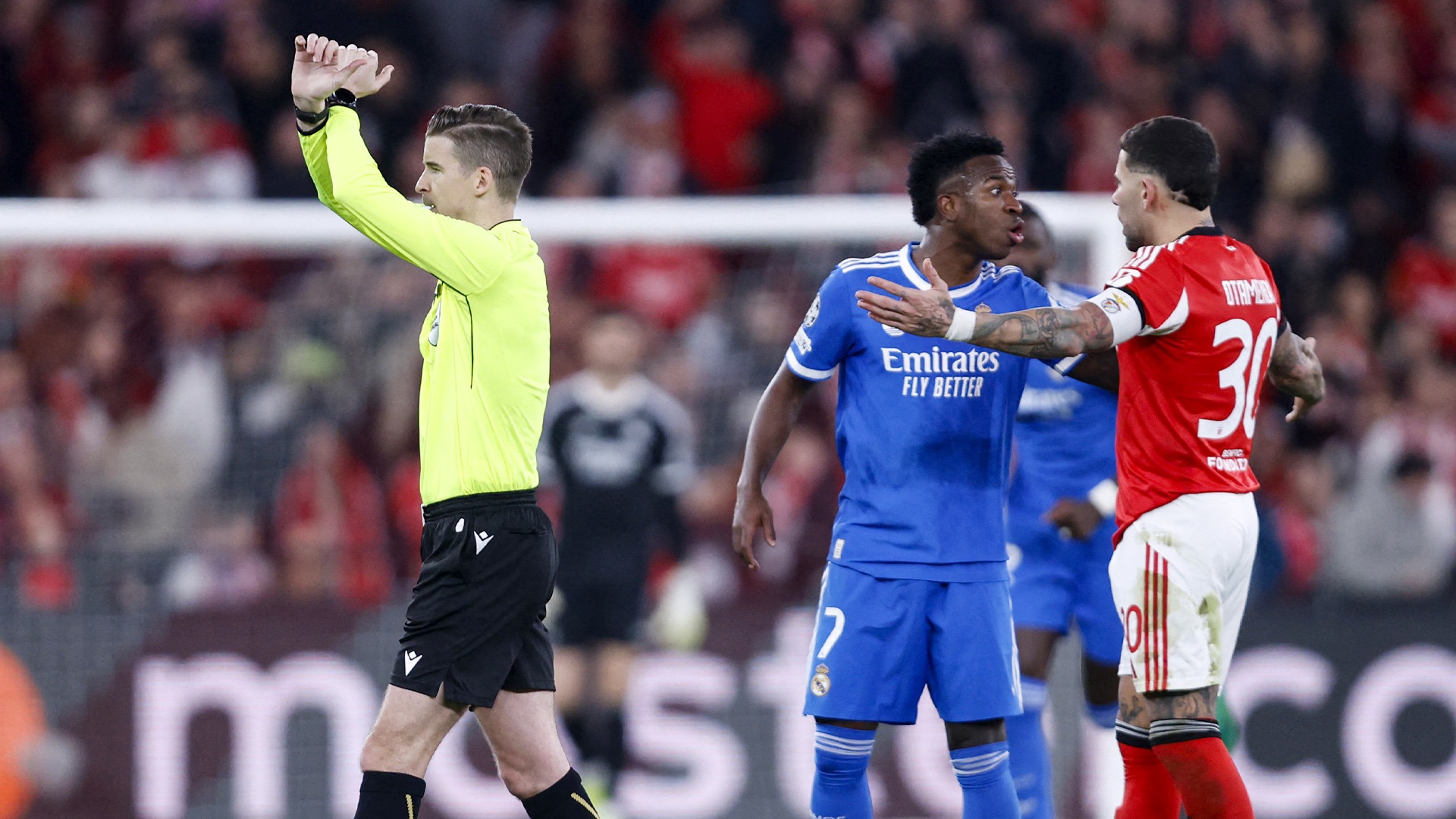
The UEFA Champions League playoffs 2026 are finally here, and they’re bringing the kind of chaos and drama that makes this competition so special. After eight matchdays of league phase football, we’ve got our field of 16 teams, ranked 9th through 24th, ready to duke it out over two legs for a coveted spot in the Round of 16. The first legs took place on February 17-18, 2026, and the second legs are scheduled for February 24-25,2026. If you’re wondering how this all works or where the value lies at ibet, then you’re in the right place.
The first legs delivered everything the Champions League promises… and then some. Only three of the eight ties look virtually settled. The seeded teams (9th-16th) hold home advantage for the return fixtures, and that matters enormously when you’re Galatasaray protecting a 5-2 lead in Turin, or Inter Milan needing to overturn a 3-1 deficit against Bodø/Glimt at the San Siro.
The aggregate format means every goal scored away from home carries extra psychological weight, and several unseeded sides grabbed exactly the kind of results that make the return legs must-watch television. For the teams trailing, the equation is brutally simple: attack and risk being killed on the counter, or play it safe and watch your Champions League dreams slip away.
Champions League Playoffs Tips for Second Leg
Here’s what we’re backing across the second legs, with full analysis to follow:
- Real Madrid vs Benfica: Kylian Mbappé Over 1.5 Shots on Target + Both Teams to Score: Yes at 2.06
- Juventus vs Galatasaray: Over 3.5 Goals at 2.13
- Inter Milan vs Bodø/Glimt: Marcus Thuram Over 1.5 Shots on Target + Inter Over 2.5 Team Goals at 2.59
Champions League Playoffs Promo
Before you lock in these picks, maximize your value with ibet’s Champions League promotions and sports betting deals. Take advantage of the Champions League Free Bet Challenge! Just place qualifying bets on each playoff round (minimum odds 1.80) and receive free bets every Thursday!
- Bet €30-€59.99 for €5
- Bet €60+ for €10
You can also protect your picks with ibet’s ACCA Insurance (up to €60 cash back daily) or start earning 5% weekly cashback (up to €200 every Monday). Check our promotions page to access the latest betting promos and terms.
And if you’re interested in Champions League betting for other matches beyond the playoffs, including the Round of 16 and quarterfinals, check out our betting news blog for comprehensive match previews and analysis.
Champions League Playoffs Storylines
Vinícius Júnior’s stunning individual goal gave Real Madrid a 1-0 win at the Estádio da Luz. Galatasaray produced the performance of the round, demolishing Juventus 5-2 in Istanbul with Noa Lang’s brace leading a devastating second-half blitz.
PSG showed their champion DNA by coming back from 2-0 down at Monaco with Désiré Doué replacing the injured Dembélé and scoring twice in a chaotic 3-2 win that also saw Golovin sent off. And above the Arctic Circle, Bodø/Glimt did it again: two goals in three second-half minutes sank Inter Milan 3-1 on the artificial turf, adding last season’s beaten finalists to a scalp collection that already included Manchester City and Atlético Madrid.
Meanwhile, Anthony Gordon’s four-goal demolition of Qarabağ (6-1) and Dortmund’s clinical 2-0 dispatch of Atalanta mean those ties are all but over, but Club Brugge’s wild 3-3 draw with Atlético ensures at least one second leg in Madrid will go down to the wire.
Champions League Playoffs Schedule
Wednesday, February 25, 2026
- Atalanta vs Borussia Dortmund – Gewiss Stadium, Bergamo | 18:45 CET (early kick-off)
- Juventus vs Galatasaray – Allianz Stadium, Turin | 21:00 CET
- Real Madrid vs Benfica – Santiago Bernabéu, Madrid | 21:00 CET
- Paris Saint-Germain vs Monaco – Parc des Princes, Paris | 21:00 CET
Tuesday, February 24, 2026
- Atlético Madrid vs Club Brugge – Riyadh Air Metropolitano, Madrid | 18:45 CET (early kick-off)
- Newcastle United vs Qarabağ – St. James’ Park, Newcastle | 21:00 CET
- Bayer Leverkusen vs Olympiacos – BayArena, Leverkusen | 21:00 CET
- Inter Milan vs Bodø/Glimt – San Siro, Milan | 21:00 CET
Champions League Playoffs Second Leg Best Bets
Real Madrid vs Benfica
Wednesday, February 25, 2026, at 21:00 (CET) – Santiago Bernabéu
Real Madrid’s 1-0 first-leg win in Lisbon gives them the advantage heading into the return, but this tie is far from dead. Vinícius Júnior’s brilliant individual goal was the difference, yet the match was overshadowed by alleged racist abuse that triggered a 10-minute stoppage under UEFA’s anti-racism protocol and will hang heavily over this second leg.
On the pitch, the tactical picture is clear: Madrid will look to kill the tie early while Benfica must score at least once and avoid defeat. That dynamic points directly toward an open, multi-goal contest, and the combination of Mbappé Over 1.5 Shots on Target plus Both Teams to Score at 2.06 captures that scenario at a price the market hasn’t quite caught up with.
Main Focus
Kylian Mbappé is the obvious starting point. He is the clear focal point of Real Madrid’s attack in this tie and arguably the most dangerous player left in the entire playoff round. He scored the winner in the 4-2 league phase defeat at the Estádio da Luz earlier this season, was rested specifically for the first leg, and then watched from the bench as Vinícius stole the headlines. At the Bernabéu, with Madrid expected to dominate possession and generate above-average shot volume, Mbappé will see a lot of the ball in and around the box.
Diagonal balls into his runs, cut-backs from Vinícius, direct entries through Güler’s creative passing. Over 1.5 shots on target is essentially asking him to turn a typical 4 to 6 shot game into at least two clean strikes on goal, which sits comfortably within his normal profile on high-stakes Champions League nights. With Rodrygo still out and fewer alternative high-volume shooters on the pitch, Mbappé’s share of the attacking burden only increases.
The Both Teams to Score leg is where the real value sits, because the market still seems to be pricing Benfica as if they’ll roll over and accept elimination. They won’t. Mourinho’s side have already proven they can hurt this Madrid defense as they put four past them three weeks before the first leg via transitions, half-space runs from Schjelderup, and Pavlidis’ relentless movement in the box.
Yes, the first leg was a disciplined 0-1 defeat, but Benfica still generated 10 shots and 3 on target despite playing within Mourinho’s typically conservative away framework. Now they’re trailing on aggregate and have nothing to lose. That changes the equation entirely.
Benfica Won’t Die Quietly
As the match progresses, Benfica will have to commit more players forward, push higher, and be aggressive on set pieces. They simply cannot sit in a deep shell for 90 minutes and hope for the best when they need at least one goal. That should be enough to carve out one clear chance, especially on counters when Madrid inevitably leave space at the back, or from dead-ball situations where Otamendi’s aerial presence and Trubin’s willingness to come up for late corners remain a genuine weapon.
At the same time, every Benfica push forward opens more space for Mbappé and Vinícius on the break, which both supports Mbappé’s shots-on-target leg and makes a Madrid goal highly likely. You’re backing a game script in which Madrid’s main star tests the goalkeeper repeatedly and Benfica’s proven attacking trio finds at least one way through.
At 2.06, that’s a value price for what should be the default outcome.
Champions League Pick: Kylian Mbappé Over 1.5 Shots on Target + Both Teams to Score: Yes at 2.06
Juventus vs Galatasaray
Wednesday, February 25, 2026, at 21:00 (CET) – Allianz Stadium
Over 3.5 goals at 2.13 is almost tailor-made for the game state and the way these two teams are playing right now. This isn’t a speculative punt on chaos. It’s a logical read of a tie where one team is desperate and the other is built to exploit desperation. Juventus start 2-5 down on aggregate after Galatasaray’s extraordinary 5-2 demolition in Istanbul, a result that ranks among the most emphatic first-leg performances in recent Champions League history. Noa Lang’s brace, Davinson Sánchez’s header, Gabriel Sara’s opener, and Sacha Boey’s late strike dismantled Juventus completely in the second half.
The question now is whether Juve can mount any kind of response at home, and the answer is almost certainly yes… but in a way that guarantees goals at both ends rather than a disciplined defensive recovery.
Let’s be clear about what Juventus need: they’re not protecting anything, they’re chasing a miracle. That means front-foot football from the first whistle, committing wing-backs, both creative midfielders, and as many runners into the box as possible.
Even in the first leg, before Juan Cabal’s red card tilted the game, Juve showed they can open Galatasaray up as Teun Koopmeiners scored twice in the first half and Weston McKennie created danger from the right. At home, with the Allianz crowd demanding a reaction after what was arguably their worst European night in decades, a timid 1-0 or 2-0 attempt simply isn’t an option.
Juve’s only realistic route to making this tie interesting involves three or more goals from their side alone, and that baseline attacking intent is already enough to push the match toward high-scoring territory.
Built to Punish
The other half of the equation is that Juventus are a defensive mess and Galatasaray are specifically built to punish exactly this type of desperate opponent. Juve have conceded 15 goals in their last five matches. Their back three has looked fragile, their pressing structure collapsed completely in Istanbul, and the spaces that opened up for Lang, Sara, and Victor Osimhen to run into were cavernous.
Nothing in this second leg changes that underlying vulnerability…if anything, it amplifies it, because Juve must push even harder and commit even more bodies forward. Every time they lose the ball in transition, Galatasaray will be attacking a stretched back line with multiple finishers who have already put five past this exact defense just seven days ago.
Galatasaray don’t need to force the game. They can sit on their three-goal aggregate cushion, absorb Juve’s early pressure, and wait for the counter-attacking opportunities that will inevitably come. But the beauty of this Over is that Gala’s attacking quality means they won’t just sit there and soak it up passively. Osimhen’s hold-up play, Lang’s pace on the break, and Sara’s ability to pick passes in transition mean that every Juventus surge forward carries the risk of a goal at the other end.
Put those dynamics together and you get a tie that wants to live in 3-1, 3-2, 4-2 territory rather than a controlled 1-0. Juve’s desperation guarantees tempo and volume, while Galatasaray’s counterpunch almost guarantees they add to the total.
At 2.13, you’re being paid for a goal environment that is more default than extreme given everything we know about how these teams are set up, what’s at stake, and how the first leg unfolded.
Champions League Pick: Over 3.5 Goals at 2.13
Inter Milan vs Bodø/Glimt
Tuesday, February 24, 2026, at 21:00 (CET) – San Siro
This is the most predictable game on the second-leg slate, and the market still isn’t pricing the goal environment correctly. Inter trail 3-1 on aggregate after Bodø/Glimt’s stunning first-leg performance above the Arctic Circle. This means Cristian Chivu’s side need at least two goals just to force extra time and realistically three to put this tie away in regulation.
That’s not a team that can afford to play at their usual controlled tempo. They need to go full send from the first whistle, and the combination of Thuram Over 1.5 Shots on Target plus Inter Over 2.5 Team Goals at 2.59 captures the most logical version of that comeback scenario at a price that still contains genuine value.
To Begin With
Let’s start with the team goals leg because it frames everything else. Inter at San Siro this season already average roughly 2.5 to 3.0 goals per game when they’re in full attacking mode, and several of their recent home performances have been emphatic: a 5-0 demolition of Sassuolo, a 3-2 comeback against Juventus, and multiple three-goal outings in Serie A.
Pre-match markets have them priced around 1.20 to 1.25 to win the match outright, which implies the bookmakers expect a comfortable Inter victory on the night. The question isn’t whether Inter will score, it’s whether they’ll score enough. And here’s the thing: the aggregate deficit essentially forces them into a game state where Over 2.5 team goals becomes the baseline rather than the ceiling. Scorelines like 3-1, 3-2, or 4-1 are far more realistic than a conservative 1-0 because a single-goal win doesn’t even get them level.
Bodø/Glimt’s profile supports this rather than contradicts it. The Norwegians have conceded multiple goals several times during this campaign and play an aggressively high defensive line that leaves enormous space in behind when they lose possession.
Thuram’s Night
This is 75,000 at the San Siro under floodlights with Inter’s season on the line. The Norwegians showed incredible quality in the first leg, but defending a lead for 90 minutes in Milan against a desperate Inter side is a fundamentally different challenge than attacking with freedom on their own artificial turf.
Now layer in the Thuram angle, and the parlay tightens further. With Lautaro Martínez unavailable, Thuram becomes the undisputed focal point of Inter’s attacking surge. He’ll operate as the primary nine alongside Pio Esposito, with Dimarco, Darmian, and the midfield three feeding a high volume of crosses and cut-backs into the box. Thuram already profiles as a multi-shot striker in normal circumstances, but this isn’t a normal circumstance.
In a must-score game where Inter are projected somewhere in the 2.3 to 2.7 xG range, expecting 4 to 6 total attempts from him is entirely reasonable. His typical on-target rate sits around 40 to 50 percent of shots hitting the frame, which means two or more shots on target lands as a central outcome rather than a fringe one.
Here’s the kicker: these two legs are positively correlated, and that’s what makes the 2.59 so attractive. For Inter to reach three or more goals, Thuram almost certainly has to be heavily involved and work Nikita Haikin repeatedly. You can’t get to Over 2.5 Inter goals without Thuram peppering the goalkeeper.
Champions League Pick: Marcus Thuram Over 1.5 Shots on Target + Inter Over 2.5 Team Goals at 2.59
Champions League Playoffs First Leg Results
Wednesday, February 18, 2026
- Qarabağ 1-6 Newcastle United – Tofiq Bahramov Stadium, Baku | 18:45 CET (early kick-off)
- Club Brugge 3-3 Atlético Madrid – Jan Breydel Stadium, Bruges | 21:00 CET
- Bodø/Glimt 3-1 Inter Milan – Aspmyra Stadium, Bodø | 21:00 CET
- Olympiacos 0-2 Bayer Leverkusen – Georgios Karaiskakis Stadium, Piraeus | 21:00 CET
Tuesday, February 17, 2026
- Galatasaray 5-2 Juventus – RAMS Park, Istanbul | 18:45 CET (early kick-off)
- Benfica 0-1 Real Madrid – Estádio da Luz, Lisbon | 21:00 CET
- Monaco 2-3 Paris Saint-Germain – Stade Louis II, Monaco | 21:00 CET
- Borussia Dortmund 2-0 Atalanta – Signal Iduna Park, Dortmund | 21:00 CET
Champions League Playoffs Tips for First Leg (Results)
Here’s what we’re backing across the first legs, with full analysis to follow:
- Bodø/Glimt vs. Inter Milan: Lautaro Martínez Anytime Goalscorer at 2.05 (Lost)
- Club Brugge vs. Atlético Madrid: Alexander Sørloth Shots on Target Over 0.5 + Julián Álvarez Total Shots Over 2.5 + Julián Álvarez Shots on Target Over 1.5 at 2.11 (Won)
- Benfica vs. Real Madrid: Benfica Double Chance (Benfica Win or Draw) at 1.99 (Lost)
League Phase Recap: How We Got Here
To fully appreciate these playoff matchups, it helps to understand how the league phase played out and why certain teams ended up where they did. The 36-team league phase was UEFA’s grand experiment with a “Swiss model” format and in which every team played eight matches (four home, four away) against randomly drawn opponents of varying strength. The top eight finishers earned automatic qualification to the Round of 16. Teams finishing 9th through 24th entered these playoffs. Everyone else was eliminated.
The final standings produced some fascinating storylines. Real Madrid, widely expected to cruise into the top eight, stumbled down the stretch with losses to Manchester City (2-1) and Benfica (4-2), ultimately finishing 9th with 15 points. That Benfica loss was particularly dramatic as Anatoliy Trubin’s 98th-minute header didn’t just seal the victory; it catapulted Benfica from elimination into 24th place on goal difference while simultaneously dropping Real Madrid out of automatic qualification. It was the kind of last-kick drama that will be replayed in Champions League montages for years.
Otherside
On the other end of the spectrum, teams like Bodø/Glimt (23rd, 10 points) and Qarabağ (22nd, 10 points) overperformed expectations just to reach the playoffs. Bodø beat Manchester City 3-1 at home during the league phase, proving that their Arctic fortress and fearless attacking style make them dangerous for anyone. Galatasaray (20th, 10 points) are in the knockouts for the first time in 12 years, while Monaco barely squeaked in at 21st after winning just two of their eight matches.
The seeding dynamic creates its own drama. Teams like Real Madrid (9th), Inter Milan (10th), and PSG (11th) are technically “seeded,” but their league phase struggles mean they’re not the juggernauts they usually are. Juventus (13th) and Atlético Madrid (14th) are in similar boats. They’re big names, but coming off inconsistent campaigns that left them vulnerable. Meanwhile, the unseeded teams hosting first legs have everything to gain and nothing to lose, which makes these matches genuinely unpredictable.
From a betting perspective, the league phase results are crucial context. They show which teams peaked at the right time (Benfica won three of their last four), which teams limped into the playoffs (Monaco winless in their last three), and which teams have psychological edges (Benfica over Real Madrid, Olympiacos over Leverkusen). The playoffs aren’t just about talent on paper, they’re about momentum, form, and who can handle the pressure of knockout football. And right now, the form book is telling some very interesting stories.
How the Champions League Playoffs Work
If you’re new to the Champions League’s reformed format, here’s the deal: after the league phase, the top eight teams earned automatic qualification to the Round of 16. The next 16 teams (those who finished 9th through 24th) now face off in a two-legged knockout playoff to determine who joins them. Teams ranked 9th-16th are seeded and get home advantage in the crucial second leg (Feb 24-25). Teams ranked 17th-24th are unseeded and host the first leg on February 17-18.
This two-leg structure creates its own unique tactical ecosystem. Unlike a single-elimination match where everything is winner-takes-all, first legs are about establishing position without overcommitting. Seeded teams visiting hostile territory know they’ll have home advantage in the decisive second leg, so they can afford to play conservatively and focus on not conceding. Unseeded teams hosting first know this might be their only genuine home advantage in the tie, so the pressure is on to capitalize.
Away Goal Rule Gone
The away goals rule is officially gone, but its ghost still haunts these ties. Coaches and players grew up in an era where scoring on the road was weighted higher, and that mentality doesn’t disappear overnight. You’ll see teams still treating away goals as psychologically valuable, because even if the tiebreaker is no longer automatic, forcing your opponent to score multiple goals at your place is always an advantage.
From a betting perspective, first legs tend to be cagier than you might expect. Teams are feeling each other out, managers are holding cards close to the vest, and nobody wants to be the side that gives up a costly early goal and spends the rest of the tie chasing. That’s why totals markets can be tricky and even matches featuring elite attacks can underwhelm if both sides prioritize defensive solidity. The real action often comes in the second leg when desperation kicks in and tactical poker becomes all-out war.
Champions League Playoffs Betting Strategy
First-leg playoff football is its own beast, and understanding the psychology behind it can unlock some serious value. Coaches and players approach these matches with a very specific mindset: don’t lose the tie in the first 90 minutes. That conservative mentality means teams are often more willing to settle for a draw or narrow deficit than risk overcommitting and getting punished on the counter. From a betting standpoint, this creates some predictable patterns.
One of the biggest edges in first legs comes from understanding home-field dynamics for unseeded teams. These clubs know this might be their only genuine home advantage in the entire tie, so they tend to start aggressively, press high, and try to establish an early lead. That’s why first-half betting can be profitable as unseeded teams are often at their most dangerous in the opening 30 minutes before fatigue and caution set in. If you’re looking at markets like “first team to score” or “result at half-time,” don’t sleep on the home underdogs.
Another underrated angle? Player props, especially corners, shots, and cards. First legs tend to be scrappier than usual because the stakes are so high and tensions run hot. Teams that press aggressively (like Bodø/Glimt or Galatasaray) force turnovers and earn corners even if they don’t dominate possession. And when matches get physical, yellow cards start flying and referees are often more lenient in the first leg to avoid “deciding the tie” with a red card, but that just means more cynical fouls and card accumulation. If you’re into corners markets, target high-pressing home sides. If you’re into cards, look for matches with intense tactical battles and referees who have high card averages.
Risk Management
From a risk management perspective, remember that this is only half the story. A bet that looks brilliant in the first leg can unravel completely in the second leg if the context shifts. That’s why betting the aggregate result or “to qualify” markets can be tricky as you’re essentially making a two-leg prediction based on one-leg information. If you do take those positions, make sure you’re accounting for home-field advantage swings, squad depth, and injury situations. Teams with deeper rosters and better away records tend to perform better over two legs, even if they struggle in the first match.
One last piece of advice: don’t overthink the totals. First legs can go either way. Some are cagey 1-0 slogs, others are wide-open 3-2 thrillers. The key is understanding the tactical profiles of both teams. If you’ve got two sides that prioritize defensive solidity (like Atlético and Brugge), expect lower scoring.
If you’ve got two attacking sides that leave space in behind (like Atalanta and Dortmund), the over becomes much more appealing. Context is king, and the best bets are the ones where you’ve done the homework and understand what both managers are trying to accomplish over 180 minutes.
Champions League Playoffs Frequently Asked Questions
Are the Champions League playoffs two legs?
Yes, the Champions League knockout playoffs are two-legged ties. The first legs take place on February 17-18, 2026, and the second legs follow one week later on February 24-25. The team with the better aggregate score over the two matches advances to the Round of 16. If the aggregate score is tied after both legs, the match goes to extra time and penalties if necessary. The away goals rule has been abolished, so goals scored away from home no longer carry additional weight in the tiebreaker.
When are the first legs played?
The first legs of the Champions League playoffs kick off on Tuesday, February 17, 2026, and Wednesday, February 18, 2026. Four matches are scheduled for each day, with most kicking off at 21:00 CET. The early kick-offs on both days start at 18:45 CET. All first-leg matches are played at the home stadiums of the unseeded teams (those who finished 17th through 24th in the league phase).
How are Champions League playoffs matchups decided?
The playoff matchups are determined by the final league phase standings. Teams ranked 9th through 16th are designated as “seeded” and receive home advantage in the second leg. Teams ranked 17th through 24th are “unseeded” and host the first leg. The draw pairs seeded and unseeded teams together, with certain restrictions to prevent teams from the same country or who already faced each other in the league phase from meeting again immediately. The eight winners of these playoff ties advance to the Round of 16, where they’ll face the top-eight teams who earned automatic qualification.
All odds displayed on this page were correct at the time of writing and may have moved since the content was published. Betting markets shift constantly based on action and betting news. For the latest odds and current lines, visit the ibet Sportsbook.